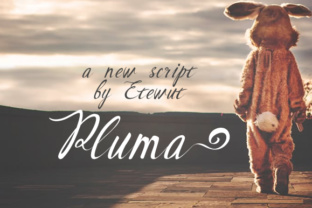
Pluma: A Script Handwritten Font That Breathes Life into Every Design
As a handmade label maker and printable designer, I’ve tested countless fonts over the years, but Pluma stands out as something truly special. It’s not just another script font—it’s a typeface that feels alive, with a natural flow and elegant simplicity that makes it perfect for both personal and professional projects. Whether I’m designing candle labels, wedding invitations, or boutique packaging, Pluma consistently delivers a refined, handcrafted look that elevates every project.
Pluma for Wedding Invitations and Elegant Branding
When I first used Pluma for a wedding invitation mockup, I knew I had found something unique. The font’s smooth curves and delicate strokes give it a romantic, handwritten feel that’s ideal for formal yet warm events. I paired it with a clean sans serif font for the event details, and the contrast was striking—Pluma brought a sense of intimacy and artistry to the design, while the sans serif provided clarity and professionalism.
I also tested Pluma on a custom brand logo for a small boutique. Its elegant lines and consistent spacing made it easy to scale and use across different platforms, from social media graphics to product tags. The font’s versatility is impressive—it works well in both display and body text, making it suitable for everything from headers to longer descriptions.
Pluma for Birthday Invites and Seasonal Creativity
For a birthday invite I designed for a close friend, Pluma was the perfect choice. Its playful yet refined style added a personal touch without being too childish. I used it on a vintage-style card with watercolor accents, and the result felt like a handwritten note from a loved one. The font’s readability in smaller sizes was a plus, especially when printing on paper or using it in digital templates.
I also experimented with Pluma for seasonal products, such as holiday tags and farmhouse signs. Its subtle variations in stroke weight and character shape gave each piece a unique charm, making it feel more like a custom creation than a mass-produced design. When used on wooden signs or printed on gift wrap, Pluma adds a warm, inviting aesthetic that feels both timeless and contemporary.
Pluma for Product Labels and Printables
One of the most practical uses I’ve found for Pluma is in product labeling. I tested it on a set of candle labels, and the results were stunning. The font’s legibility at small sizes made it ideal for tiny tags, while its elegant appearance elevated the overall look of the candles. I also used it on a series of sticker sheets, where its soft curves and flowing lines made each design feel handcrafted and personal.
When working with printables, I always consider how the font will look on different materials. Pluma holds up well on glossy paper, matte finishes, and even fabric. It’s also great for digital downloads, as it maintains its beauty when scaled down or upsized. However, I do recommend testing the font on actual materials before finalizing designs, especially for intricate or detailed projects.
Pluma for Digital Templates and Web Design
As someone who creates digital templates, I appreciate how Pluma performs in web design. Its clean structure and consistent spacing make it easy to integrate into websites, social media posts, and online shop listings. I used it in a few mockups for an Etsy shop, and the font’s elegance helped create a cohesive brand identity that felt both professional and approachable.
Pluma also pairs beautifully with other fonts. For example, I’ve used it alongside a simple serif font for headings and a bold sans serif for call-to-action buttons. This combination creates a balanced visual hierarchy that guides the viewer’s eye through the design. It’s important to check the font’s included styles, ligatures, and weights to ensure compatibility with different design needs.
Pluma for Packaging and Merchandise
When designing packaging for a small line of mugs and tote bags, Pluma became a go-to font. Its fluidity and grace made it perfect for adding a personalized touch to product tags and box labels. I used it on a series of minimalist packaging designs, and the font’s elegance helped reinforce the brand’s premium feel.
However, I did notice that Pluma may not be the best choice for very dense or technical information. Its decorative nature can sometimes make it challenging to read in long paragraphs or instructions. For these cases, pairing it with a more straightforward font is recommended. Overall, Pluma is a versatile tool that can enhance the visual appeal of any handmade product or digital download.